
What Non-Medical Home Care Really Means—and What It Does Not
Learn what non-medical home care includes, what it does not cover, and how it supports safe, independent living at home for seniors and adults.
Dr. Aishat O. MPH
4/1/20262 min read
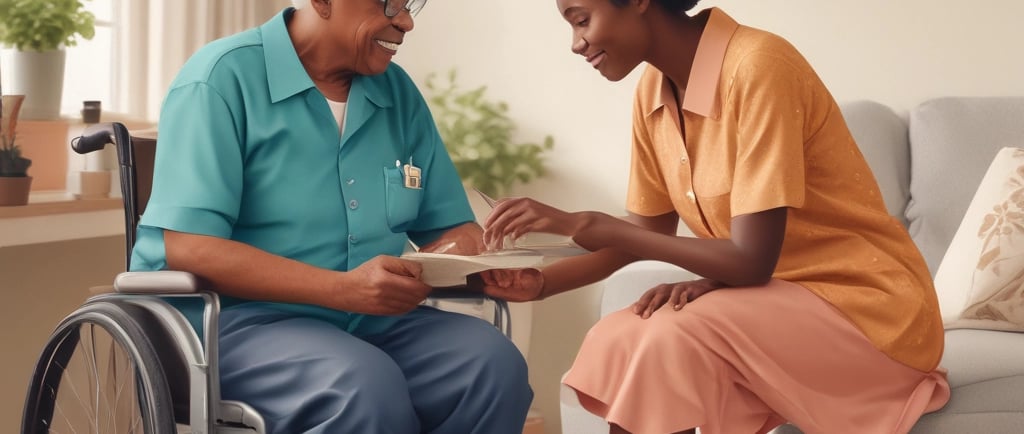
Understanding Non-Medical Home Care
When families begin exploring care options for a loved one, the term “non-medical home care” often raises questions. What services are actually included? What responsibilities fall outside its scope? And how does non-medical care truly support independence at home?
Understanding these distinctions is critical to making informed decisions—and avoiding confusion or unrealistic expectations.
Non-medical home care focuses on daily living support, safety, companionship, and household assistance, rather than clinical or medical treatment. It is designed to help individuals remain comfortable, safe, and independent in their own homes.
What Non-Medical Home Care Includes
Non-medical home care supports the everyday needs that make independent living possible.
1. Assistance With Daily Living Activities (ADLs)
Caregivers provide hands-on help with routine personal tasks, including:
Bathing and grooming (non-clinical)
Dressing assistance
Toileting reminders and support
Mobility and transfer assistance
Daily routine support
These services are delivered with an emphasis on dignity, privacy, and respect.
2. Companion Care and Social Support
Companion care addresses the emotional and social side of well-being:
Conversation and companionship
Recreational activities and engagement
Accompaniment to errands or appointments
Reducing isolation and loneliness
Social connection is a critical—but often overlooked—component of overall health.
3. Homemaker and Household Support
A safe, clean home environment is essential for independence. Non-medical home care often includes:
Light housekeeping
Laundry and linen changes
Meal preparation (non-medical)
Grocery shopping and errands
Home organization and safety tidying
These services help reduce fall risks and relieve stress for families.
4. Care Coordination and Family Support
Many families benefit from guidance and oversight, including:
Care plan coordination
Caregiver scheduling and consistency
Family communication and updates
Support navigating community resources
This coordination reduces fragmentation and improves continuity of care.
What Non-Medical Home Care Does Not Include
Equally important is understanding what non-medical home care does not provide.
❌ No Clinical or Medical Services
Non-medical caregivers do not:
Administer medications
Provide injections or wound care
Perform medical treatments
Diagnose conditions
Replace licensed nursing care
Medical services require licensed healthcare professionals and are handled separately through home health or clinical providers.
❌ No Skilled Nursing or Therapy
Non-medical care does not include:
Skilled nursing
Physical, occupational, or speech therapy
Medical assessments or monitoring
However, non-medical care can complement medical services by supporting daily routines and safety between clinical visits.
Why Non-Medical Home Care Is Often the First Step
For many individuals, non-medical home care is the earliest and least disruptive form of support. It allows people to:
Remain at home longer
Maintain independence
Receive help before crises occur
Avoid unnecessary hospitalizations or facility placement
Early support often prevents bigger challenges later.
Who Benefits Most From Non-Medical Home Care?
Non-medical home care is ideal for:
Seniors aging in place
Adults recovering from illness or surgery (non-clinical support)
Individuals with mobility or routine challenges
Families seeking caregiver relief
Loved ones living alone who need supervision and companionship
It is flexible, scalable, and adaptable as needs change.
How Non-Medical Home Care Supports Independence
The goal of non-medical home care is not to take over, but to:
Support what individuals can still do
Reduce safety risks
Provide reassurance to families
Preserve dignity and choice
Care is delivered as a partnership, not a replacement for family involvement.
Choosing the Right Non-Medical Home Care Provider
When evaluating providers, families should look for:
Clear scope-of-service definitions
Consistent caregiver assignments
Strong communication practices
Respectful, person-centered care
Local accountability and responsiveness
Understanding what non-medical home care truly means helps families choose the right level of support—at the right time.
Final Thought
Non-medical home care plays a vital role in helping individuals live safely, comfortably, and independently at home. By clearly understanding what it includes and what it does not, families can confidently build a care plan that meets real needs—without confusion or unmet expectations.
Quality home care services for daily living support.
Support
SUBSCRIBE
admin@maxonacare.com
470-756-1751
©2025 Maxona Care LLC All rights reserved.