
Creating Meaningful Daily Experiences at Home
Learn how caregivers create meaningful daily experiences.
Dr. Aishat O. MPH
2/23/20262 min read

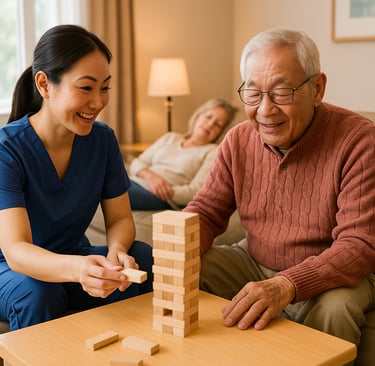
Quality of Life Is Built in Everyday Moments
Meaningful living does not come only from major events—it is shaped by small, daily experiences. For seniors and adults receiving home care, how each day feels matters just as much as physical safety or routine support. Without intention, days can begin to feel repetitive, isolating, or empty.
Non-medical home care plays an important role in transforming ordinary moments into meaningful daily experiences that promote purpose, connection, and emotional well-being.
What “Meaningful Daily Experiences” Really Mean
Meaningful experiences are personal and varied. They are not about entertainment or constant activity—they are about engagement, choice, and connection.
Meaningful daily experiences may include:
Conversation and shared reflection
Participating in familiar routines
Enjoying hobbies or interests
Spending time outdoors
Feeling heard and valued
Maintaining a sense of contribution
The goal is not to fill time, but to enrich it.
Why Meaningful Engagement Matters
Without meaningful engagement, individuals may experience:
Loneliness or emotional withdrawal
Reduced motivation
Lower mood or anxiety
A sense of loss of purpose
Daily engagement supports emotional health, confidence, and overall quality of life.
How Caregivers Create Meaning Through Presence
Presence is one of the most powerful tools caregivers offer.
By being fully present, caregivers:
Listen without rushing
Engage in conversation
Respond to emotional cues
Validate experiences and feelings
Being seen and heard creates meaning.
Supporting Choice and Autonomy in Daily Life
Meaning comes from having control over one’s day.
Caregivers support autonomy by:
Offering choices in activities and routines
Respecting preferences and pace
Encouraging participation rather than directing
Adapting support to individual interests
Choice reinforces dignity and self-worth.
Turning Routine Into Purpose
Daily routines do not have to feel mechanical.
Caregivers create meaning by:
Inviting participation in meal preparation
Making grooming and dressing collaborative
Turning walks into moments of reflection
Encouraging involvement in household tasks
Routine becomes purposeful when participation is encouraged.
Connecting Through Familiar Activities
Familiar activities often hold emotional value.
Caregivers support meaningful engagement by:
Encouraging hobbies or lifelong interests
Revisiting favorite music, books, or shows
Supporting creative or spiritual practices
Celebrating small achievements
Familiarity brings comfort and joy.
Encouraging Social and Emotional Connection
Human connection is central to meaningful living.
Caregivers foster connection through:
Daily conversation
Shared laughter
Emotional reassurance
Gentle encouragement to stay engaged
Connection reduces isolation and strengthens emotional health.
Supporting Meaning During Life Transitions
Transitions can disrupt a sense of purpose.
Caregivers help restore meaning during:
Recovery after illness
Adjustments to new routines
Aging-in-place transitions
Periods of loss or change
Stability and engagement help individuals regain confidence.
Adapting Experiences as Needs Change
Meaningful engagement evolves over time.
Caregivers adapt by:
Adjusting activities to energy levels
Simplifying tasks when needed
Maintaining interest without pressure
Supporting engagement at a comfortable pace
Adaptation keeps experiences positive and accessible.
Meaningful Experiences Benefit Families Too
Families benefit when loved ones feel engaged.
Meaningful daily experiences:
Improve mood and outlook
Reduce family worry
Strengthen emotional connection
Improve overall care satisfaction
Engagement improves the care experience for everyone.
Preventing Emotional Decline Through Engagement
Meaningful daily experiences function as preventative emotional care by:
Reducing loneliness
Supporting routine and stability
Preventing withdrawal
Strengthening emotional resilience
Prevention supports long-term well-being.
Meaning Is Personal—Not Prescribed
What feels meaningful varies from person to person.
High-quality home care:
Gets to know the individual
Respects personal values
Honors life history
Builds experiences around what matters most
Personalization is key.
Final Thought
Creating meaningful daily experiences is about more than keeping busy—it is about helping individuals feel connected, valued, and purposeful in their own homes. Through presence, respect, and thoughtful engagement, non-medical caregivers help turn everyday moments into experiences that support emotional well-being and quality of life.
Quality home care services for daily living support.
Support
SUBSCRIBE
admin@maxonacare.com
470-756-1751
©2025 Maxona Care LLC All rights reserved.